RACE INFO

NEXT RACE

WHEN IS THE NEXT BELMONT STAKES?

6th June 2027

Days
Hours
KEY DETAILS

THE THIRD JEWEL OF THE TRIPLE CROWN

FEATURED

BELMONT STAKES BOOKMAKER

BUSR Logo
BET WITH BUSR

Get up to $1,000 Cash.
Highest Racebook Rebates Available.

Full T&Cs apply. 18+ only. begambleaware.org. #ad. Please bet responsibly.
BELMONT STAKES

ODDS & RUNNERS 2027

No horse is guaranteed a position in the race until the final declaration stage. Check the odds with your Bookmaker before placing a bet, as fluctuations occur. Full Terms and Conditions for the promotional bet offers can be found on the respective websites – read them before you sign up. Important to Remember: Please be aware that when you place a bet on a horse in the ante-post market and your chosen horse is subsequently withdrawn from the race for any reason, your ante-post bet is considered lost. In such cases, the bookmaker will retain your stake.

Antepost Odds Updated 8th June 2026
NoHorseOddsAgeWeightJockeyTrainerForm
1Unknown0/039-0UnknownUnknown
2Unknown0/039-0UnknownUnknown
3Unknown0/039-0UnknownUnknown
4Unknown0/039-0UnknownUnknown
5Unknown0/039-0UnknownUnknown
6Unknown0/039-0UnknownUnknown
7Unknown0/039-0UnknownUnknown
8Unknown0/039-0UnknownUnknown
9Unknown0/039-0UnknownUnknown
BELMONT STAKES

2026 WINNER

The 158th Belmont Stakes was won by Kentucky Derby hero Golden Tempo, who completed a memorable double, powering home at Saratoga Race Course to deny Commandment and Renegade in a strongly run renewal.

Settled well off the pace under José Ortiz, the Cherie DeVaux-trained colt unleashed his run on the far turn, sweeping past tiring leaders before grinding out a decisive victory in the stretch.

Commandment stuck on gamely but could never quite get back on terms, while favourite Renegade stayed on at one pace to finish third.

Run over 1¼ miles due to the Saratoga configuration, the race was completed in 2:03.49 on a track softened by rain, underlining Golden Tempo’s adaptability and stamina.

Skipping the Preakness, he became the second consecutive horse to land the Kentucky Derby–Belmont double without contesting the middle leg.

Race Guide

The Belmont Stakes, famously known as "The Test of the Champion," is the third and final jewel in American horse racing's prestigious Triple Crown.

Traditionally held at Belmont Park in Elmont, New York, was been temporarily relocated to Saratoga Race Course in Saratoga Springs for the 2024, 2025, and 2026 races. This move accommodates extensive renovations at Belmont Park, including the construction of a new grandstand and racing surfaces, with the project expected to conclude in 2026. ​

Due to Saratoga's track dimensions, the race distance has been shortened from the traditional 1½ miles to 1¼ miles for these editions. ​

The Belmont Stakes is anticipated to return to its original venue at Belmont Park upon completion of the renovations.​

With a purse of $1.5 million, victory at Belmont not only offers immense prize money but secures a special place in racing history.

History and Heroics at Belmont Park

First run in 1867, the Belmont Stakes is the oldest of the three Triple Crown races. Rich in tradition, Belmont Park has hosted countless unforgettable races, shaping its own unique identity in horse racing folklore.

Before the start, the crowd traditionally sings "New York, New York," setting the stage for a classic sporting moment. After the race, the winning horse is draped with a lush blanket of white carnations, symbolizing purity, luck, and excellence.

Belmont’s sweeping track has witnessed legendary performances—from Secretariat’s record-shattering 31-length victory in 1973 to American Pharoah ending a 37-year Triple Crown drought in 2015.

Endurance, Excitement, and Electric Atmosphere

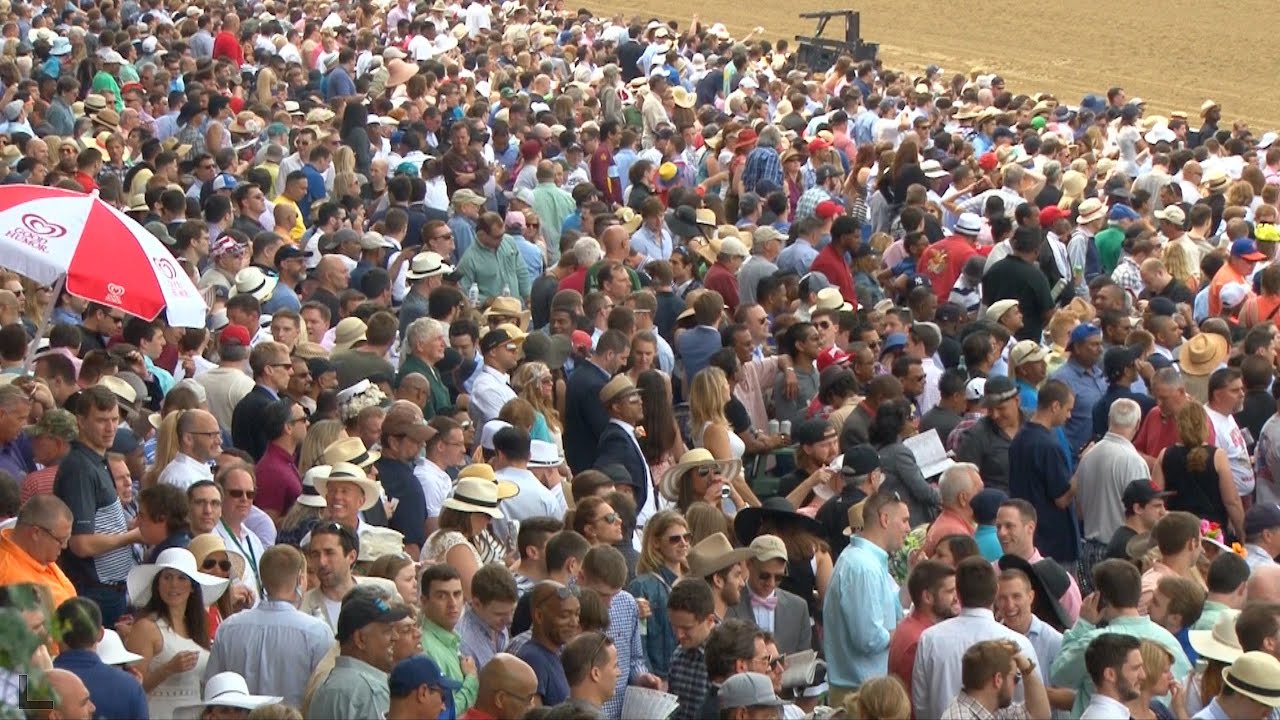
The Belmont Stakes is famed for its intense atmosphere. Fans come from everywhere, eager to experience history in person, especially when a Triple Crown title hangs in the balance.

While the Derby is known for its glamour and the Preakness for its festive party spirit, Belmont combines drama and excitement with anticipation. The massive grandstand and enthusiastic crowds make it one of America's most thrilling sporting spectacles.

Belmont Park also hosts a lively festival atmosphere, with concerts, food stalls, and celebrations throughout the day, ensuring fans experience much more than a simple horse race.

The Final Challenge for Glory

The Belmont Stakes is the ultimate proving ground. For horses that won both the Kentucky Derby and the Preakness, Belmont represents the ultimate pressure test—a race to secure the rarest achievement in racing, the Triple Crown. For other horses, it's a chance to upset history or claim glory in front of a global audience.

Because of its demanding length and position as the final jewel, Belmont often draws fresh challengers alongside tired but determined Derby and Preakness veterans, creating an unpredictable, thrilling showdown every June.

Watched by millions around the globe and drawing tens of thousands of passionate fans to the stands, the Belmont Stakes is one of America’s most iconic sporting events.

This race is about strength, heart, and history. For jockeys, trainers, and owners, winning at Belmont isn't just about prestige or money—it's about becoming part of a timeless tradition.

And for fans, it’s a captivating day where hope, excitement, and racing excellence combine on the legendary track at Belmont Park.

UPDATES

RACING & BELMONT STAKES NEWS

WINNER

TRENDS & STATS

It's a race where trends and statistics often provide valuable insights into predicting success on the track.

Distance and the Importance of Stamina

At a length of 1½ miles (around 2.4 kilometers), the Belmont Stakes is the longest of the Triple Crown races. While the Kentucky Derby and the Preakness Stakes emphasize speed, the Belmont tests endurance and stamina.

Historically, horses bred specifically for longer distances have performed exceptionally well here, while pure sprinters often struggle.

One of the clearest examples is Secretariat's astounding win in 1973. His record-setting 31-length victory, still considered one of racing’s greatest performances, showed the enormous advantage of superior stamina at Belmont.

This trend has continued over decades, with horses possessing strong endurance bloodlines frequently outperforming faster but less durable rivals.

Fresh Horses Often Upset Favourites

Another interesting trend is the advantage enjoyed by horses that skip either the Kentucky Derby or the Preakness, arriving fresh at Belmont. Since the Belmont Stakes concludes a demanding five-week stretch of racing, Derby and Preakness winners often enter Belmont Park exhausted.

Historically, this has paved the way for fresher, well-rested horses to pull off surprise victories.

A notable instance occurred in 2014 when Tonalist, who skipped both previous Triple Crown races, denied California Chrome's Triple Crown bid by winning at Belmont.

Likewise, in 2017, Tapwrit capitalised on his fresh legs, defeating Derby winner Always Dreaming. This pattern underscores why horsemen carefully manage their runners' schedules, knowing fatigue can alter Belmont outcomes significantly.

The Triple Crown Factor

Perhaps the most compelling trend centers around Triple Crown hopefuls—horses aiming to capture all three races.

When the Belmont Stakes is the stage for a potential Triple Crown, public interest and betting activity skyrocket. However, Belmont Park has a longstanding reputation as a "graveyard" for these hopefuls. Since the first official Triple Crown winner Sir Barton in 1919, only thirteen horses have claimed all three jewels.

Between Affirmed’s success in 1978 and American Pharoah’s long-awaited victory in 2015, fans witnessed a 37-year drought of Triple Crown winners.

During this period, horses such as Spectacular Bid (1979), Alysheba (1987), Silver Charm (1997), Real Quiet (1998), and Smarty Jones (2004) fell short at Belmont, often losing dramatically to fresh opponents. This trend cemented Belmont Park’s reputation as the most challenging leg, emphasising its unique difficulty.

Jockeys and Trainers – Experience Matters

At Belmont, experience isn't just important—it's essential. Historical statistics strongly favor jockeys and trainers familiar with Belmont Park’s wide, sandy track, unique layout, and taxing distance.

Renowned trainers such as Woody Stephens, who famously won the Belmont Stakes five consecutive times from 1982-1986, illustrate how preparation, skill, and specific knowledge of the course dramatically improve chances of success.

Similarly, jockey experience matters. Legendary riders like Eddie Arcaro and Bill Shoemaker repeatedly triumphed here because they understood Belmont’s demands better than anyone else.

Modern examples include jockey Mike Smith, whose seasoned judgment helped Justify clinch the 2018 Triple Crown, navigating the challenging race with expert precision.

Favorites Often Falter at Belmont

One trend bettors closely watch is Belmont’s frequent defeat of heavily favored horses. Unlike the Kentucky Derby, where favorites often run well, the Belmont Stakes sees frequent surprises.

Since 2000, horses with high expectations, including California Chrome, Big Brown, and Smarty Jones, all failed to secure the Triple Crown, creating famous upset stories.

Longshots regularly thrive at Belmont, producing some of the most memorable racing moments. In 2002, Sarava stunned racing fans by winning at odds of 70-1, ending War Emblem’s Triple Crown bid. Similarly, Da' Tara’s shocking 38-1 victory in 2008 reinforced Belmont’s unpredictable nature.

The historical trends of the Belmont Stakes highlight why it remains a distinctive challenge, beloved by fans and respected by racing experts.

Factors such as stamina, the freshness of contenders, the pressures of the Triple Crown quest, and experienced trainers and jockeys all play decisive roles in shaping outcomes.

Year after year, the Belmont Stakes continues to thrill, surprise, and add memorable chapters to horse racing history, making it an event fans eagerly anticipate each spring.

ENTRY

TICKETS & PRICING

For 2027, the Belmont Stakes Racing Festival will return to its traditional home at Belmont Park following significant reconstruction. The 159th Belmont Stakes is scheduled for Saturday, June 6.

Here's everything you need to know about attending the festival:

General Admission Ticket Prices

  • Belmont Stakes Day (Saturday, June 6):
    • Adults: $75
    • Children (ages 4-12): $20
  • Friday (June 6):
    • Adults: $30
    • Children 12 and under: Free
  • Wednesday, Thursday, and Sunday (June 4, 5, and 8):
    • Adults: $10
    • Children 12 and under: Free
  • Five-Day Festival Pass (all days): $120

General admission provides entry to the Clubhouse, Grandstand, and Backyard areas, though it does not guarantee reserved seating. Standing-room spots near the track are available first-come, first-served.

Reserved Seating and Premium Packages

If you're looking for guaranteed seating or a more luxurious experience, the course offers several options:

  • Reserved Grandstand Seats: Comfortable seating with clear views of the racing action.
  • Premium Hospitality Areas: Access to special venues like the Champion Suites and the Triple Crown Loge Boxes.
  • Box Seats: Private, prime-view seating, perfect for small groups.
  • VIP Packages: Combination of reserved seating and hospitality extras.

These options enhance your day at Belmont Park, offering comfort and convenience.

Food and Beverage Guidelines

Visitors are welcome to bring their own refreshments, with the following guidelines:

  • Personal Coolers: Allowed every day of the festival.
  • Outside Alcohol: Permitted only on certain days.
  • Food & Non-Alcoholic Drinks: Can be brought on all festival days.

How to Buy Tickets

Tickets are currently available through the official Belmont Stakes website. Due to the popularity and limited availability of tickets, it's recommended that you purchase your tickets early to secure your spot.

Enjoying the Belmont Park Experience

Attending the Belmont Stakes at Belmont Park promises excitement both on and off the track.

You'll enjoy live entertainment, great food, and the historic charm that makes Belmont Park special. Planning your visit early will ensure a smooth and memorable experience at this iconic racing event.

BELMONT STAKES

VISITOR TIPS

Here's a clear, helpful list of tips for visitors attending the Belmont Stakes at Belmont Park:

  1. Buy Tickets Early
    Tickets sell quickly, especially premium and reserved seating, so secure your spot well in advance.
  2. Plan Your Travel
    Traffic can be heavy around the venue, so arrive early to avoid congestion. Consider parking availability and shuttle services.
  3. Check Weather Forecasts
    Weather in June can vary. Dress comfortably and consider bringing rain gear or sun protection as needed.
  4. Wear Comfortable Shoes
    You'll likely be walking or standing for extended periods, so comfortable footwear is essential.
  5. Understand Cooler & Alcohol Policies
    Personal coolers are permitted daily. Remember, outside alcohol is only allowed on Wednesday and Sunday during the festival.
  6. Bring Cash & Cards
    ATMs can be busy, so carrying both cash and cards helps you avoid long lines.
  7. Explore Reserved Seating Options
    Consider upgrading your ticket for guaranteed seating, shade, and improved views—ideal for families or groups.
  8. Pack Binoculars
    Bring binoculars for a better view of the racing action, especially if seated further from the track.
  9. Arrive Early on Race Day
    Belmont Stakes day is the busiest. Arriving early ensures you get a great spot to watch the race.
  10. Enjoy New York
    The city has plenty to offer beyond the racetrack. Plan extra time to visit local restaurants, shops, and historic sites.
  11. Stay Hydrated
    With warmer weather and excitement all around, don’t forget to stay hydrated. Water stations and bottled water will be available.
  12. Familiarize Yourself with the Layout
    Study the venue map beforehand to easily locate restrooms, dining areas, betting windows, and exits.

Follow these simple tips to ensure your Belmont Stakes experience in New York is enjoyable, comfortable, and memorable!

EARLY YEARS

HISTORY

The Belmont Stakes holds a special place in American horse racing. Known as the "Test of the Champion," it is the oldest and most challenging leg of the Triple Crown, alongside the Kentucky Derby and the Preakness Stakes.

But what sets the Belmont apart is its history, traditions, and the unforgettable stories created on its demanding racetrack.

Origins and Early Years

The Belmont Stakes began in 1867, predating both the Kentucky Derby (1875) and the Preakness Stakes (1873). Named after August Belmont Sr., a prominent New York banker and racing enthusiast who funded the event, the race quickly became one of the country's most prestigious sporting events.

The inaugural Belmont Stakes was held on June 19, 1867, at Jerome Park Racetrack in the Bronx. The first winner, Ruthless, was a talented filly who set the tone for the race's future reputation as a test of endurance and toughness.

After Jerome Park, the race moved briefly to Morris Park in 1890, before settling permanently at Belmont Park in Elmont, New York, in 1905. Belmont Park was built specifically to host the Stakes, becoming one of the most iconic horse racing venues in the world.

The Triple Crown Connection

Initially, the Belmont Stakes was just one of many prestigious horse races in the United States. However, its profile rose dramatically in the 20th century when it became the third leg of the newly recognized Triple Crown series.

The term "Triple Crown" itself wasn't widely used until the early 1930s, after sportswriter Charles Hatton popularized the phrase. Winning all three races—the Kentucky Derby, Preakness Stakes, and Belmont Stakes—quickly became the pinnacle achievement in horse racing.

Since Sir Barton first completed the feat in 1919, only thirteen horses have captured this elusive honor, highlighting just how challenging it truly is.

Famous Belmont Winners and Records

Throughout its long history, the Belmont Stakes has been the stage for many legendary performances. Perhaps none is more famous than Secretariat’s breathtaking victory in 1973.

Secretariat didn’t just win—he dominated, finishing an astonishing 31 lengths ahead of his nearest competitor, setting a track record that still stands today. His win in a time of 2:24 for the 1½-mile course remains one of the greatest performances in racing history.

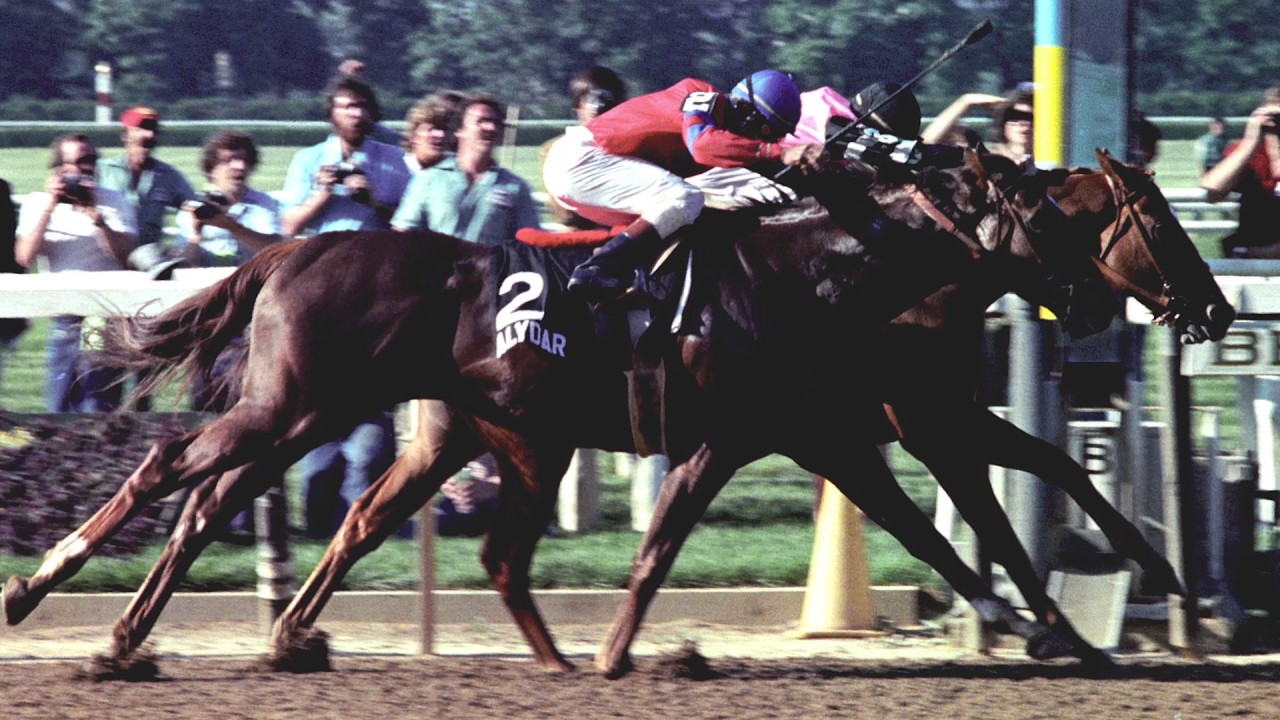
Other notable Belmont winners include Affirmed, who defeated rival Alydar in 1978 in an epic duel to clinch the Triple Crown, and Seattle Slew, who became the first horse to win the Triple Crown while still undefeated in 1977.

More recently, American Pharoah ended a 37-year drought of Triple Crown winners in 2015, a feat followed closely by Justify in 2018.

Belmont Traditions and Customs

Tradition has always played a key role in Belmont Stakes history. Fans attending Belmont Park experience the vibrant atmosphere of a classic American sporting event. Before the race begins, it is customary for the crowd to sing "New York, New York," paying tribute to the host state.

One of the most recognisable Belmont traditions is the blanket of white carnations draped over the winning horse, a contrast to the roses awarded at the Kentucky Derby and the black-eyed Susans at the Preakness Stakes. This beautiful, fragrant blanket symbolizes victory and honor.

Belmont Park itself also has historic features, such as its unique, wide track and sweeping turns. At 1½ miles, the Belmont Stakes is significantly longer than both the Derby and the Preakness, emphasizing stamina and strategy over pure speed.

Horses and jockeys must navigate this demanding course carefully, often resulting in dramatic finishes.

Belmont’s Tough Reputation

While winning any Triple Crown race is an exceptional achievement, the Belmont Stakes is particularly challenging.

Over the years, Belmont has earned a reputation for spoiling Triple Crown dreams. Numerous horses have arrived at Belmont Park with victories at the Kentucky Derby and Preakness Stakes, only to fall short in this final, most demanding test.

Some of the most memorable near-misses include Spectacular Bid in 1979, who finished third despite being heavily favored, and Smarty Jones, who was narrowly defeated by Birdstone in 2004. This trend has earned Belmont Park the nickname "The Graveyard of Champions," highlighting its unique difficulty.

Temporary Move to Saratoga Springs

In recent times, the Belmont Stakes has faced new challenges. For the 2024, 2025, and 2026 editions, Belmont Park was temporarily replaced by Saratoga Race Course in Saratoga Springs, New York.

This temporary move allowed extensive renovations at Belmont Park, including a brand-new grandstand and upgrades to racing facilities. For these three renewals, the race was also shortened slightly from its traditional 1½ miles to 1¼ miles due to Saratoga’s track dimensions.

Despite the temporary changes, the Belmont Stakes remains an exciting and prestigious event. Fans still gather to witness history and see if another horse can overcome the challenge of capturing the Triple Crown, even if it happens at a different venue for a brief period.

The Legacy of the Belmont Stakes

Today, the Belmont Stakes remains central to American horse racing culture. It is a race that tests the very limits of strength, speed, and endurance, often deciding whether a horse is remembered as simply great or truly legendary.

For jockeys, trainers, and owners, victory at Belmont represents more than just a sizable purse—it guarantees a lasting place in horse racing history. And for fans, every Belmont Stakes is a thrilling spectacle, where unforgettable moments are born on the track.

Whether held at Belmont Park or temporarily at Saratoga Springs, the Belmont Stakes continues its storied tradition of excellence, drama, and excitement, standing tall as the ultimate test of champions.

VIDEOS

4 Videos
QUESTIONS

FAQs

  1. What is the Belmont Stakes?
    The Belmont Stakes is an annual American horse race, famous as the final leg of horse racing’s prestigious Triple Crown, alongside the Kentucky Derby and Preakness Stakes. Known as "The Test of the Champion," it's famous for being the longest and toughest of the three races.
  2. Where is the Belmont Stakes held?
    Traditionally, the Belmont Stakes takes place at Belmont Park in Elmont, New York. However, for 2024 -2026, the event was temporarily moved to Saratoga Race Course in Saratoga Springs, New York, due to renovations at Belmont Park.
  3. When is the Belmont Stakes usually run?
    The Belmont Stakes usually occurs in early June, three weeks after the Preakness Stakes and five weeks after the Kentucky Derby. The 2027 race is set for Saturday, June 6.
  4. How long is the Belmont Stakes?
    The Belmont Stakes is traditionally 1½ miles (approximately 2.4 kilometers), making it the longest Triple Crown race. However, due to Saratoga's track layout, the race distance for 2024 and 2025 was temporarily set at 1¼ miles.
  5. Why is the Belmont Stakes called “The Test of the Champion”?
    Due to its longer distance compared to other Triple Crown races, the Belmont Stakes challenges a horse’s endurance and stamina, thus truly testing a champion’s strength and staying power.
  6. How many horses have won the Triple Crown?
    To date, only 13 horses have achieved the coveted Triple Crown, with Sir Barton being the first in 1919, and the most recent being Justify in 2018.
  7. What is the fastest Belmont Stakes ever run?
    Secretariat holds the record for the fastest Belmont Stakes, finishing in an astonishing 2 minutes, 24 seconds in 1973. He won by 31 lengths, one of the most incredible performances in racing history.
  8. What traditions are associated with the Belmont Stakes?
    The Belmont Stakes is known for several beloved traditions: Fans singing "New York, New York" before the race begins.
    The winning horse receiving a blanket made of white carnations.
  9. How much prize money does the Belmont Stakes offer?
    The Belmont Stakes typically awards around $1.5 million, making it one of America's richest horse racing events.
  10. Can visitors bring food and drinks to the event?
    Yes, attendees can bring their own food and non-alcoholic beverages each day. Personal coolers are permitted daily. Outside alcohol is only allowed on specific festival days (Wednesday and Sunday).
  11. What should attendees wear to the Belmont Stakes?
    While there's no official dress code, visitors often dress nicely, with many attendees wearing summer dresses, hats, suits, or casual chic attire. Comfortable shoes and weather-appropriate clothing are strongly recommended.
  12. Are tickets required to attend the Belmont Stakes?
    Yes, tickets are necessary to enter. General admission and reserved seating options are available, but due to the event's popularity, it’s best to purchase your tickets early.
  13. Is betting allowed at the Belmont Stakes?
    Absolutely! Betting is a major part of the excitement, with wagering windows available throughout the racecourse. Online betting options are also accessible through licensed platforms.
  14. How early should visitors arrive on race day?
    It’s recommended to arrive at least a few hours before the first major race, especially on Belmont Stakes Day. This allows time to find good viewing positions, place bets, and enjoy the atmosphere.
  15. Will the Belmont Stakes return to Belmont Park after 2026?
    Yes, once renovations at Belmont Park are complete (expected in 2026), the Belmont Stakes will return to its original venue in Elmont, New York.

These FAQs should help you enjoy a seamless and memorable experience at one of America's greatest horse racing events!

MORE

BIG RACE DAYS