RACE INFO

NEXT RACE

WHEN IS THE NEXT 2000 GUINEAS?

1st May 2027

Days
Hours
KEY DETAILS

OPENING LEG OF THE BRITISH TRIPLE CROWN

FEATURED

2000 GUINEAS BOOKMAKER

BETFRED

GET £50 IN FREE BETS WHEN YOU BET £10

New customers only. Register, deposit with Debit Card, and place first bet £10+ at Evens (2.0)+ on Sports within 7 days to get 3 x £10 in Sports Free Bets & 2 x £10 in Acca Free Bets within 10 hours of settlement. 7-day expiry. Eligibility & payment exclusions apply. Full T&Cs 18+ gambleaware.org. #ad. Please bet responsibly.
2000 GUINEAS

ODDS & RUNNERS 2027

Check the odds with your Bookmaker before placing a bet, as fluctuations occur. Full Terms and Conditions for the promotional bet offers can be found on the respective websites – read them before you sign up. Important to Remember: Please be aware that when you place a bet on a horse in the ante-post market and your chosen horse is subsequently withdrawn from the race for any reason, your ante-post bet is considered lost. In such cases, the bookmaker will retain your stake.

Odds Updated 14 October 2026
NoHorseOddsAgeWeightJockeyTrainerForm
1Darkness Falls7/239-2Unknown
2Desert Castle5/139-2Unknown
3Folsom Blues12/139-2Unknown
4Rock Montreal14/139-2Unknown
5Monogram16/139-2Unknown
6Abraham Lincoln18/139-2Unknown
7Great Barrier Reef20/139-2Unknown
8Bin Jahwar22/139-2Unknown
9Noble Exhibit25/139-2Unknown

BETFRED

GET £50 IN FREE BETS WHEN YOU BET £10

New customers only. Register, deposit with Debit Card, and place first bet £10+ at Evens (2.0)+ on Sports within 7 days to get 3 x £10 in Sports Free Bets & 2 x £10 in Acca Free Bets within 10 hours of settlement. 7-day expiry. Eligibility & payment exclusions apply. Full T&Cs 18+ gambleaware.org. #ad. Please bet responsibly.
2000 GUINEAS

2026 RACE WINNER

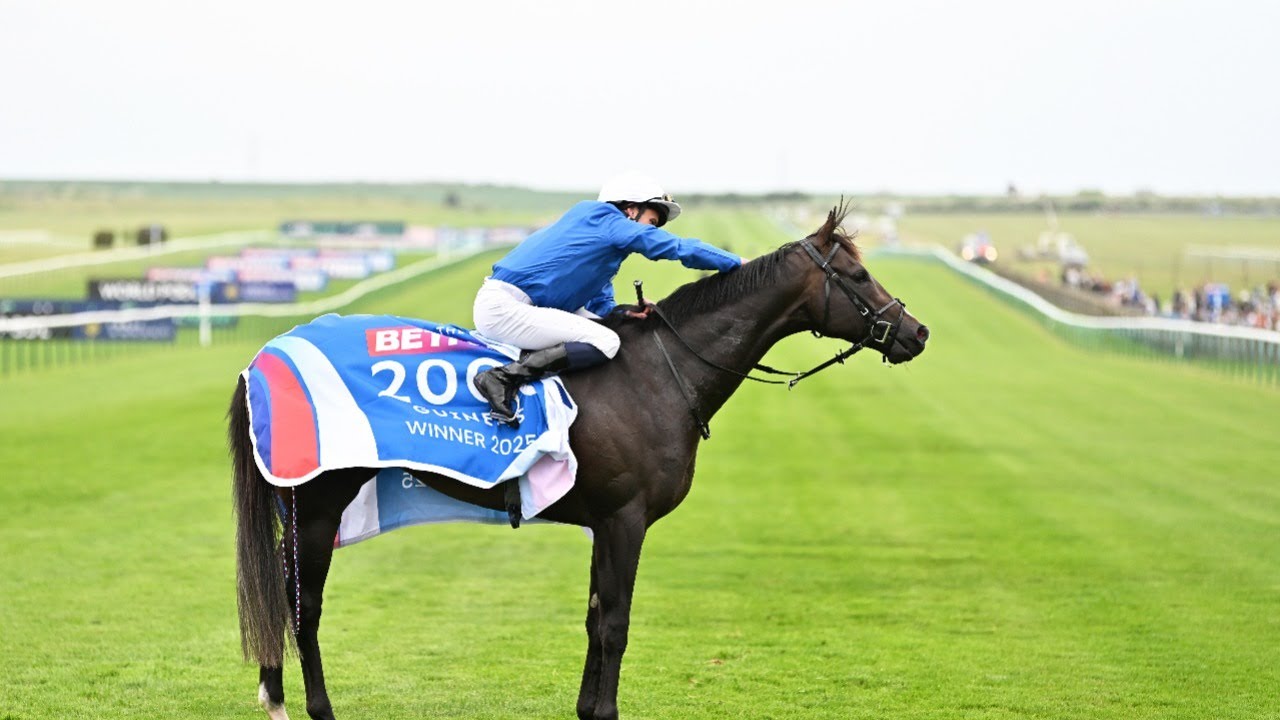
Bow Echo stormed home to win the Betfred 2000 Guineas at Newmarket on Saturday, May 2nd 2026, giving George Boughey a breakthrough Classic success.

Over the Rowley Mile on good to firm ground, Bow Echo travelled strongly before quickening clear inside the final furlong under Billy Loughnane, stopping the clock in a fast 1m 35.59s.

Firmly on top at the line, he stamped himself a top-class miler for the season and immediately entered the frame for targets like the St James’s Palace Stakes at Royal Ascot.

Aidan O'Brien's Gstaad finished in second place with Charlie Appleby's Distant Storm, holding on for third place. 

BETFRED

GET £50 IN FREE BETS WHEN YOU BET £10

New customers only. Register, deposit with Debit Card, and place first bet £10+ at Evens (2.0)+ on Sports within 7 days to get 3 x £10 in Sports Free Bets & 2 x £10 in Acca Free Bets within 10 hours of settlement. 7-day expiry. Eligibility & payment exclusions apply. Full T&Cs 18+ gambleaware.org. #ad. Please bet responsibly.
2000 GUINEAS

RACE OVERVIEW

The 2000 Guineas Stakes, run each May at Newmarket’s iconic Rowley Mile, is one of the crown jewels of British flat racing and a true highlight of the sporting calendar.

As the first of the five British Classics, the race attracts the best three-year-old colts, and occasionally fillies, from across the UK and Europe, all vying for glory over the demanding straight mile.

The event is the centrepiece of the Guineas Festival, a three-day celebration that combines top-class racing with vibrant entertainment, making it a must-attend for both seasoned enthusiasts and newcomers to the sport.

Opening Leg of the British Triple Crown

The 2000 Guineas holds special significance as the opening leg of the English Triple Crown, a series completed by the Epsom Derby and the St Leger.

Traditionally staged on the first weekend of May, it sets the stage for the season’s elite three-year-olds and often serves as a springboard to further Classic success.

While the Triple Crown is a rare achievement in the modern era, the Guineas remains a vital test of both speed and stamina, with winners frequently going on to contest, and sometimes win, the Derby.

The race is famed for its competitive fields and dramatic finishes, with legends such as Nijinsky, Sea The Stars, and Frankel among its illustrious roll of honour.

The straight, undulating Rowley Mile course poses a unique challenge, demanding tactical acumen from both horse and jockey, and ensuring that only the very best prevail.

Historic Roots

First run in 1809, the 2000 Guineas was established by the Jockey Club under the guidance of Sir Charles Bunbury, who also co-founded the Epsom Derby.

The race takes its name from the original prize fund of 2,000 guineas, a substantial sum at the time. Over the decades, the 2000 Guineas has become synonymous with excellence, helping to shape the careers of champion horses and influential stallions.

It was the first of the British Classics to be run each year, and its format has inspired similar races around the globe, from Ireland to Australia.

Today, with a purse exceeding £500,000 and a reputation as a proving ground for future stars, the 2000 Guineas remains a race steeped in tradition, excitement, and sporting prestige.

UPDATES

RACING & 2000 GUINEAS NEWS

WINNER

TRENDS & STATS

It's a race where trends and statistics often provide valuable insights into predicting success on the track.

Top 3 In The Betting Matters

Favourites and winners of the 2000 Guineas often share several notable trends that reflect the race’s demanding nature and its status as a classic test for elite three-year-olds.

Statistically, while favourites do not win every year, they have a solid record with six winning favourites in the last 20 renewals.

Most winners come from the top three in the betting, underscoring the importance of proven class and market confidence.

Form as a 2-Year-Old

Horses that have demonstrated high-level form as two-year-olds, particularly those with Group race wins or strong performances in key trials like the Dewhurst Stakes or the Craven Stakes, tend to fare best.

For example, the 2025 favourite, Field Of Gold, fit this profile after a dominant Craven win and solid juvenile campaign, mirroring the preparation of many past winners. He ultimately finished second to Ruling Court.

Proven Ability

Another trend among successful Guineas contenders is a proven ability over seven furlongs or a mile before the race, as well as a progressive profile.

Horses that improved markedly from two to three are often well-fancied and successful.

Most recent winners have made their seasonal reappearance in the Guineas itself, rather than having a prior run that spring, suggesting that freshness is an asset for this early-season test.

Pedigree also plays a role, with offspring of sires like Dubawi and Galileo enjoying notable success in the race.

While the occasional outsider does prevail, such as Night Of Thunder at 40/1 in 2014, the prevailing trend is for 2000 Guineas winners to be well-regarded, progressive colts with strong juvenile form, proven stamina at or near a mile, and the backing of powerful stables.

Jockeys – Experience Matters

The most successful jockey in the history of the 2000 Guineas is Jem Robinson, who won the race an unmatched nine times between 1825 and 1848 - a record that still stands nearly two centuries later. 

Among modern riders, Frankie Dettori leads the way with four victories: Mark Of Esteem (1996), Island Sands (1999), Galileo Gold (2016), and Chaldean (2023). 

Other prominent jockeys in recent decades include Kieren Fallon, who has three wins, and Ryan Moore, who has ridden two winners. 

The roll of honour for the 2000 Guineas also features legendary names such as Lester Piggott, Gordon Richards, Pat Eddery, Steve Cauthen, and Willie Carson, each of whom has left a significant mark on the race. 

While Robinson’s historic tally is unlikely ever to be surpassed, Dettori’s modern record and the presence of top international jockeys each year ensure the 2000 Guineas remains a showcase for the world’s riding elite.

Greatest Trainer Of Them All

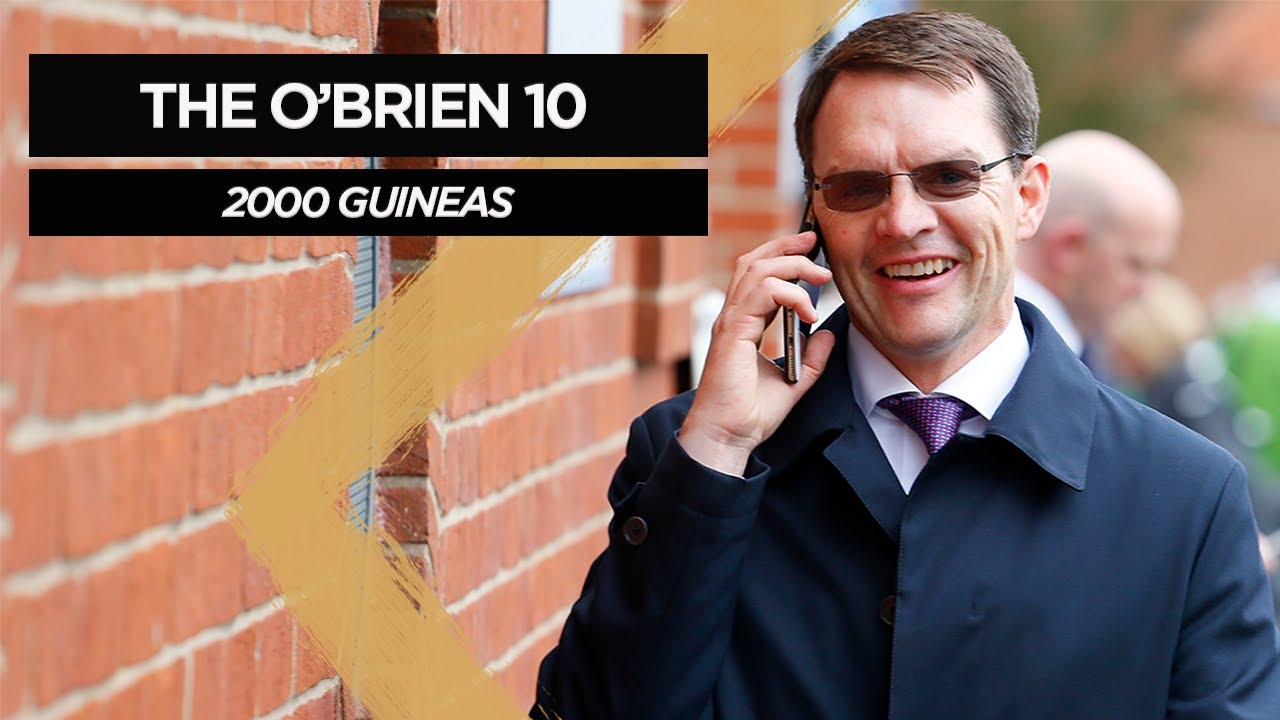
The most successful trainer in the history of the 2000 Guineas is Aidan O’Brien, who has achieved a record-breaking 10 wins in the race.

His victories span from King of Kings in 1998 to Magna Grecia in 2019, and include notable horses such as Rock of Gibraltar, Camelot, Gleneagles, Churchill, and Saxon Warrior. 

O’Brien’s dominance is unmatched, with more wins than any other trainer by a considerable margin, and his Ballydoyle stable has become synonymous with Classic success at Newmarket.

Other trainers with multiple 2000 Guineas wins in recent decades include Sir Michael Stoute, who has five victories, and more recently, Charlie Appleby, J S Bolger, and Andrew Balding, each with two wins. 

However, O’Brien’s consistency and ability to prepare top-class three-year-olds for this early-season mile Classic have set him apart as the standout trainer in the race’s long and storied history.

ENTRY

TICKETS & PRICING

For 2027, the 2000 Guineas is scheduled to take place at Newmarket Racecourse on Saturday, 1 May 2027, at 15:35.

Here's everything you need to know about attending great British Classic:

General Admission Ticket Prices

    • Grandstand & Paddock:
      • Adults: £25
    • Garden Enclosure:
      • Adults: £22
    • Premier Enclosure:
      • Adults: £35

The Garden enclosure is perfect enclosure for those who want to enjoy a fair view of the racing with access to the Parade Ring, Pre Parade Ring and Winners’ Enclosure too.

The Century Stand

From £80 per person, guests can expect to enjoy a wonderful alfresco experience with fabulous views and dedicated amenities including a private bar (card payments only), comfortable seating and private toilets.

Chez Roux Package

From £370 per person, guests can dine at the panoramic Champions Gallery restaurant located in the heart of the historic Rowley Mile. Enjoy a champagne reception followed by a selection of canapés, a three course seated meal and full afternoon tea.

How to Buy Tickets

Tickets are currently available through the official Newmarket Racecourse website.

2000 GUINEAS

VISITOR TIPS

Here's a clear, helpful list of tips for visitors attending the 2000 Guineas at Newmarket:

  1. Fashion & Comfort
    The 2000 Guineas at Newmarket is a stylish occasion, with many racegoers choosing to dress up for the event. While smart attire is encouraged, think dresses, hats, and suits, comfort is key, as you’ll likely spend much of the day walking or standing on grass and around the course.
  2. Weather Preparedness
    Early May in Newmarket can bring anything from sunshine to showers and cool breezes. It’s wise to bring a light jacket or a raincoat, along with sunglasses and sunscreen for brighter spells. Checking the local forecast before heading out will help you dress appropriately for the day.
  3. Crowd Management
    The Guineas Festival draws large crowds, especially on 2000 Guineas day. Arrive early to make the most of the atmosphere and secure a good spot, whether in the stands or on the lawns. Expect queues for food, drinks, and betting, particularly around race times.
  4. Security Measures
    Security checks, including bag searches, are in place at Newmarket Racecourse. Review the list of permitted and prohibited items on the official Newmarket Racecourse website before you go to ensure smooth entry.
  5. Digital Tickets
    All tickets for the 2000 Guineas are digital. Have your e-tickets ready on your smartphone for quick and easy access at the gates.
  6. Transportation
    Newmarket offers ample free public parking on race days, but traffic can be heavy, and it may take up to two hours to exit the car parks after major events. Consider using the free shuttle bus from Newmarket town centre or the train station for added convenience. Taxis and private hire drop-off points are also available.

Follow these simple tips to ensure your 2000 Guineas experience at Newmarket is enjoyable, comfortable, and memorable!

EARLY YEARS

HISTORY

The 2000 Guineas Stakes, inaugurated on 18 April 1809 at Newmarket’s Rowley Mile, stands as one of the most storied and significant races in British flat racing.

Conceived under the stewardship of Sir Charles Bunbury and established by the Jockey Club, the race was named after its original prize fund of 2,000 guineas - a considerable sum at the time, reflecting its intended prestige.

The inaugural running was won by Wizard, owned by Christopher Wilson and ridden by William Clift, setting the stage for what would become a benchmark event for three-year-old thoroughbreds.

Five years later, the 1000 Guineas was introduced as a counterpart for fillies, cementing Newmarket’s place as the home of the British Classics.

By the mid-19th century, the 2000 Guineas had become one of the five Classic races, alongside the Derby, Oaks, St Leger, and its sister race, the 1000 Guineas.

These Classics quickly became the cornerstone of the British flat racing season, and the 2000 Guineas was recognised as the opening leg of the coveted Triple Crown, followed by the Derby and the St Leger.

Achieving victory in all three remains a rare feat, with only fifteen horses completing the Triple Crown, the most recent being Nijinsky in 1970.

The race’s format - run over a straight mile on the demanding Rowley Mile turf - has remained largely unchanged, providing a stern test of speed and stamina that continues to attract the best of each generation.

Early dominance by trainers like Robert Robson and John Scott, and jockeys such as Jem Robinson helped shape the race’s reputation.

The event has also seen milestones such as Helen Johnson Houghton becoming the first female trainer to win the race in 1956.

In the modern era, Irish trainer Aidan O’Brien has set a new standard with ten victories, underscoring the race’s ongoing international appeal and competitive spirit.

The 2000 Guineas has inspired similar races worldwide, including the Irish 2,000 Guineas, the Poule d’Essai des Poulains in France, and the Australian Guineas, further extending its influence.

Today, with a purse exceeding £500,000 and a reputation as a launchpad for future champions, the 2000 Guineas remains an enduring symbol of excellence and tradition in the sport of horse racing.

VIDEOS

4 Videos
QUESTIONS

FAQs

  1. What is the 2000 Guineas?
    The 2000 Guineas is a prestigious Group 1 flat horse race for three-year-old Thoroughbreds, run annually over a straight mile at Newmarket’s Rowley Mile in early May.
  2. When and where is the 2000 Guineas run?
    It takes place at Newmarket Racecourse, usually on the first Saturday in May, and marks the start of the British Classic season.
  3. Who can run in the 2000 Guineas?
    The race is open to three-year-old colts and fillies, though it is almost always contested by colts.
  4. What is the distance of the race?
    The 2000 Guineas is run over one mile (8 furlongs), which is approximately 1,609 metres.
  5. What is the prize money for the 2000 Guineas?
    The total prize fund is over £500,000, with the winner in 2027 receiving approximately £297,728.
  6. Why is the 2000 Guineas significant?
    It is the first leg of the British Triple Crown and a major Classic, often producing future Derby contenders and stallions.
  7. Who was the favourite for the 2026 2000 Guineas?
    Gstaad and Distant Storm were the 3/1 joint favourites ahead of the 2026 race. 
  8. What trends do winners often share?
    Most winners come from the top three in the betting, have strong two-year-old Group race form, and often make their seasonal debut in the Guineas.
  9. Who are the most successful trainers and jockeys in the race?
    Aidan O’Brien is the leading trainer with 10 wins, while Jem Robinson holds the jockey record with nine victories.
  10. How can I watch or attend the 2000 Guineas?
    The race is broadcast live on ITV and Racing TV, and tickets for Newmarket can be purchased online for various enclosures and experiences.

These FAQs cover the essential details and recurring queries about the 2000 Guineas for both newcomers and racing enthusiasts.

MORE

BIG RACE DAYS